
Travel guide
Barcelona Guide for Georgian Travelers: Visa, Flights, Budget and Everything That Matters (2026)
Disclosure: when you book through some of our links, your booking earns the site a small commission, at no extra cost to you.
Barcelona is one of those rare cities where sea, architecture, food and nightlife all gather in one walkable centre. For a Georgian it has a nice extra detail: there's a direct flight from Kutaisi. This guide is written for someone flying from Georgia, with verified facts and honest advice — including the pickpocket warning.
Visa & entry rules (as of July 2026)
A Georgian with a biometric passport doesn't need a visa for Spain (or anywhere in Schengen) for short stays — 90 days in any 180-day period (since 28 March 2017). Source: EU EEAS (as of July 2026).
- Your passport must be biometric, issued within the last 10 years, and valid at least 3 months beyond departure.
- ETIAS is not required yet. As of July 2026 ETIAS is not yet live — launch is expected late 2026, mandatory around 2027. The fee will be €20 (under-18s and 70+ exempt). The official application portal is not open yet — any site "selling" ETIAS today is fraudulent. Source: official EU ETIAS. Details in our ETIAS guide.
- EES is already running (since April 2026): fingerprints and photo at your first border crossing.
In short: today you fly on a biometric passport. Before you go, check the ETIAS status once on the official site.
Flights from Georgia
- Kutaisi (KUT) → Barcelona (BCN): direct! Wizz Air flies nonstop, roughly 3× a week, flight time ~5 hours. For a Georgian this is the fastest and often cheapest way to reach Barcelona.
- Tbilisi (TBS) → Barcelona (BCN): no nonstop; the standard is 1 stop — via Istanbul (Turkish/Pegasus/AJet), Warsaw (LOT) or another European hub. Total time ~7–12 hours.
- Kutaisi's Wizz network is wide (Barcelona, Milan, Rome, Warsaw, Budapest and more), so where there's no direct route, a connection is usually possible.
Low-cost schedules change seasonally — confirm your dates on wizzair.com.
Best time to visit
- Spring (April–June) and early autumn (September–October) — ideal: ~15–25°C, fewer crowds. May and September are the sweet spot (October is the rainiest month).
- Summer (July–August) — hot (~28–31°C) and very crowded; beach weather, but queues and high prices.
- Winter (December–February) — mild (~13°C) and cheapest; good for a city break, though cool for the sea.
Daily budget (approximate, excluding flights, per person)
- Budget: ~$60–95/day — hostel, menú del día lunches, T-casual ticket, mostly free/cheap sights.
- Mid-range: ~$150–260/day — 3-star hotel or apartment, restaurants, 2–3 attractions (including Sagrada Família).
- Comfort: ~$300+/day — 4–5-star, fine dining, guided tours. Remember the tourist tax stacks on top (see below).
What to see
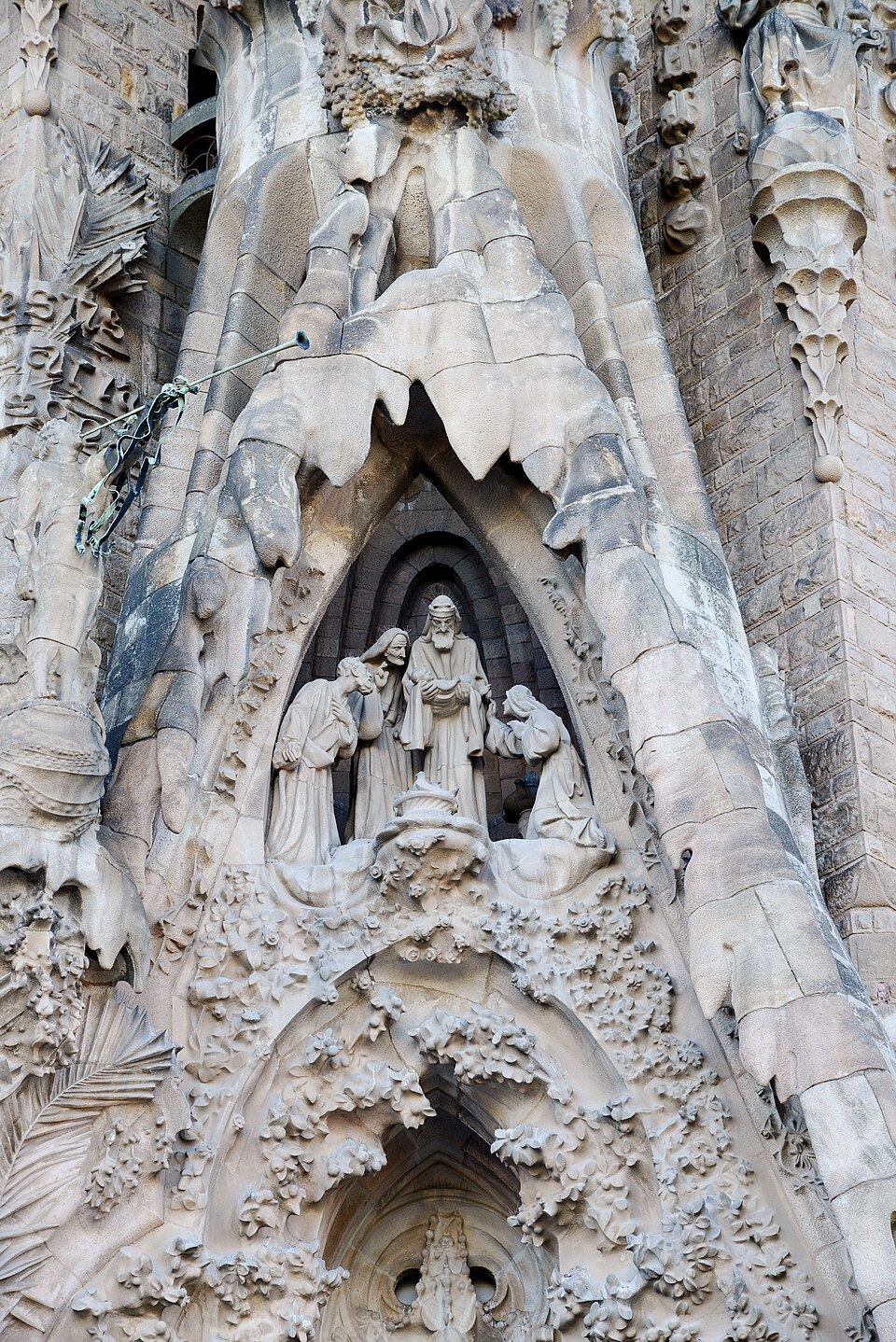
- Sagrada Família — Gaudí's unfinished basilica, the city's icon. A timed-entry ticket is mandatory — book ahead on the official site. 2026 is the Gaudí centenary, so demand is exceptionally high.
- Park Güell — Gaudí's mosaic park with city and sea views. The Monumental Zone is timed-entry, capped at 1,400 visitors/hour — book ahead.
- Casa Batlló & La Pedrera — two more Gaudí masterpieces on Passeig de Gràcia.
- Gothic Quarter (Barri Gòtic) — the medieval old town, cathedral, narrow lanes. Free to wander.
- La Rambla + La Boqueria market — the famous promenade and food market. ⚠️ Pickpocket hotspot — see below.
- Barceloneta beach — the city beach and seafood restaurants, a short metro ride from the centre.
- Montjuïc — a hilltop park with the Magic Fountain, the MNAC museum, a castle and Olympic sites.
- Camp Nou / FC Barcelona — the stadium and museum (it's been under redevelopment recently — check tour/match status on the club's official site).
Getting around
- Metro (TMB) — dense and easy. Single ticket €2.90 (2026).
- T-casual — the best visitor ticket: 10 journeys for €13.00 (Zone 1). It's single-person (you can't share it across a group). ⚠️ It does not cover the airport metro.
- Airport → city: Metro L9 Sud (special ticket €5.90), Aerobús (~€7.25, ~35 min) or the Rodalies R2 train from Terminal 2 (T1 has no station — take the free shuttle to T2 first).
Connectivity — an eSIM for a Georgian
EU free roaming does not apply to a Georgian SIM — a Georgian number will drop into expensive roaming in Spain. Best to buy an eSIM before you travel (Spain or a regional "Europe" plan). Spain has strong 4G/5G.
Practical tips
- ⚠️ Pickpockets — Barcelona is genuinely notorious for this. Petty theft (not violent crime) is the #1 tourist risk: La Rambla, La Boqueria, the metro (especially Line 3), around Sagrada Família, Barceloneta. Keep your bag zipped and in front, don't leave your phone on café tables, never leave things unattended on the beach.
- Tourist tax (raised in April 2026) — a regional rate plus a €5 city surcharge, per person per night (e.g. ~€8.40 at a 4-star, ~€12 at a 5-star), on the first 7 nights; under-16s exempt. It's usually collected at the property and isn't in the online room price — budget it separately.
- Siesta & late dining — lunch ~14:00–15:30, dinner rarely before 20:30–21:00. Arriving at a restaurant at 19:00 may find the kitchen not yet open.
- Currency — the Euro (EUR). Tipping — not obligatory; ~5–10% or rounding up for good service.
What to prepare in advance
- eSIM — EU roaming doesn't cover a Georgian number, so buy one ahead.
- Travel insurance — Schengen expects medical cover; it's both protection and entry-readiness.
- Skip-the-line tickets for Sagrada Família / Park Güell — both are timed-entry and often sell out; booking ahead is critical.
- Airport transfer — for comfort, especially on a late arrival.
All of this assembles into one itinerary inside Lumina's concierge — just say "Barcelona, in May, 2 of us" and we build the rest.